

An 8 year old designing a robot with her father’s AI agent sounds like something out of a keynote demo, but that is the actual example Mark Zuckerberg used this week to explain what he means by personal superintelligence. It comes from a 6,500 word essay he published Monday titled “The Future is for Everyone”, also run as a Wall Street Journal opinion piece, and it is the clearest statement Meta has made yet about where all of this is heading.
Why This Matters
Zuckerberg’s central claim is that concentrating advanced AI in a small number of labs, governments, or the AI systems themselves is the real danger, not the technology by itself. His answer is what he calls personal superintelligence, spreading powerful AI directly to individuals instead of routing it through institutions. Agree with him or not, that framing shapes everything Meta ships next, including the free AI agent it says billions of people will eventually get.
What Zuckerberg’s Personal Superintelligence Actually Means

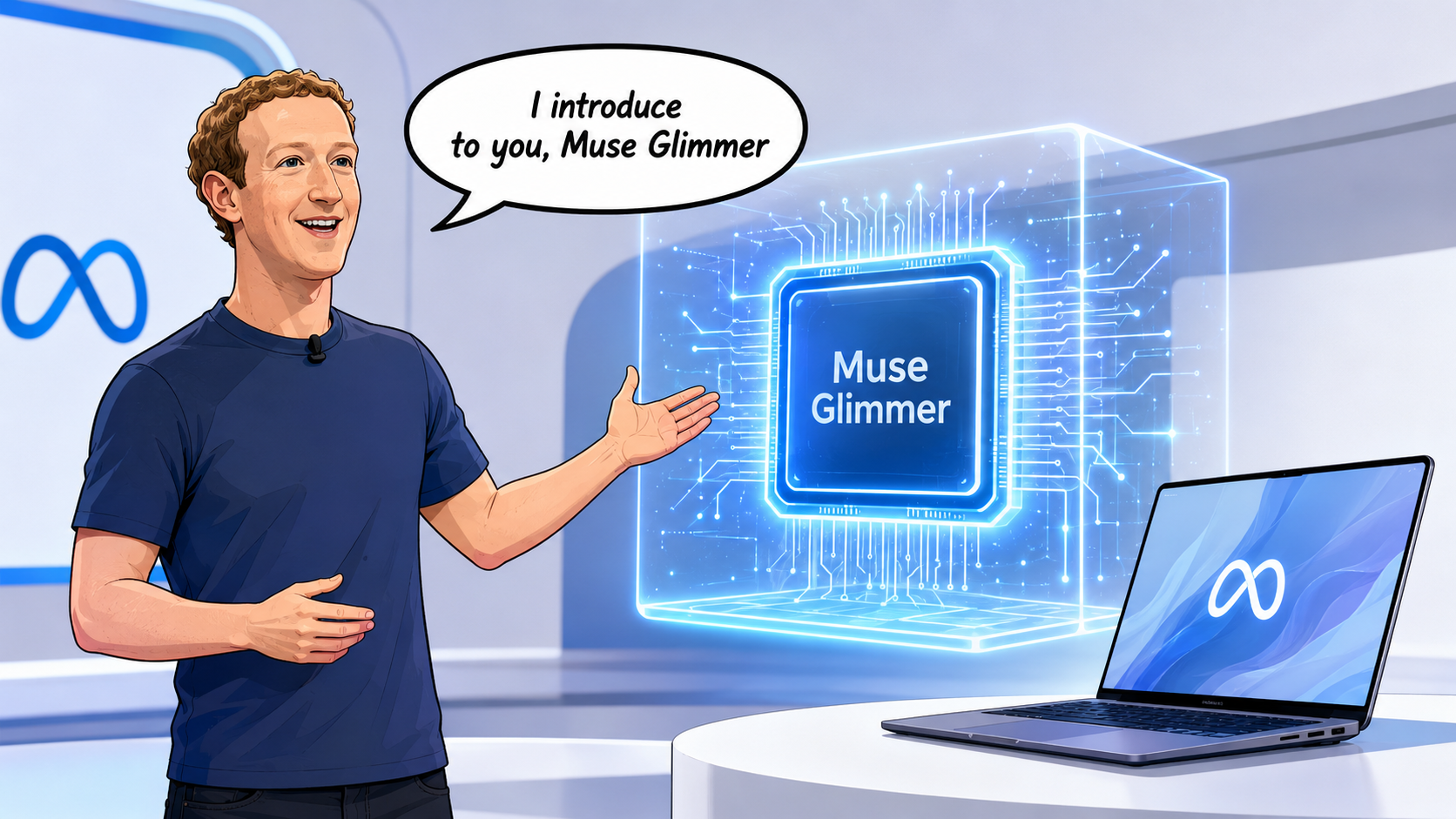
Strip away the branding and personal superintelligence describes three concrete promises. Everyone gets an AI agent working on their behalf around the clock, handling schedules, messages, health tracking, and research, with a fully private mode Zuckerberg says even Meta cannot access, built the same way WhatsApp encrypts your messages today. Free versions are meant to reach billions of people, with a pricing system for anyone who wants more compute designed to guarantee the lowest price available rather than whatever a subscription tier decides to charge. And Meta Superintelligence Labs, the research group behind this philosophy, is resuming open weight model releases as proof it is more than an essay. Muse Glimmer, the 30 billion parameter model Meta opened the same day this essay published, is the first tangible example of personal superintelligence in practice rather than in theory.
The essay leans on a specific thought experiment to make its case. Imagine only one person had a superintelligent lawyer, Zuckerberg writes, they would win cases regardless of merit. Imagine only one business had superintelligence, it would outcompete everyone else and shrink the market rather than grow it. His argument is that the risk is not superintelligence existing, it is superintelligence existing unevenly. Widespread access, in his framing, is what keeps any single actor from having an unfair advantage over everyone else.
Is Using ChatGPT a Personal AI Agent? Not Quite

Zuckerberg’s own example in the essay is worth sitting with, because it is a different pattern than most people’s daily AI use. His agent flags things worth his attention, monitors his sleep and gives him feedback as he trains, and plans his daughter’s weekend baking recipes, orders the ingredients, and offers suggestions while they bake. None of that starts with him opening an app and typing a question. It is acting on its own, running continuously, and working across multiple parts of his life without being prompted each time.
Opening ChatGPT, asking something, and getting an answer back is the opposite pattern. Even with memory and some agent features layered in, the default experience is still you starting the conversation, not something working quietly in the background and coming to you.
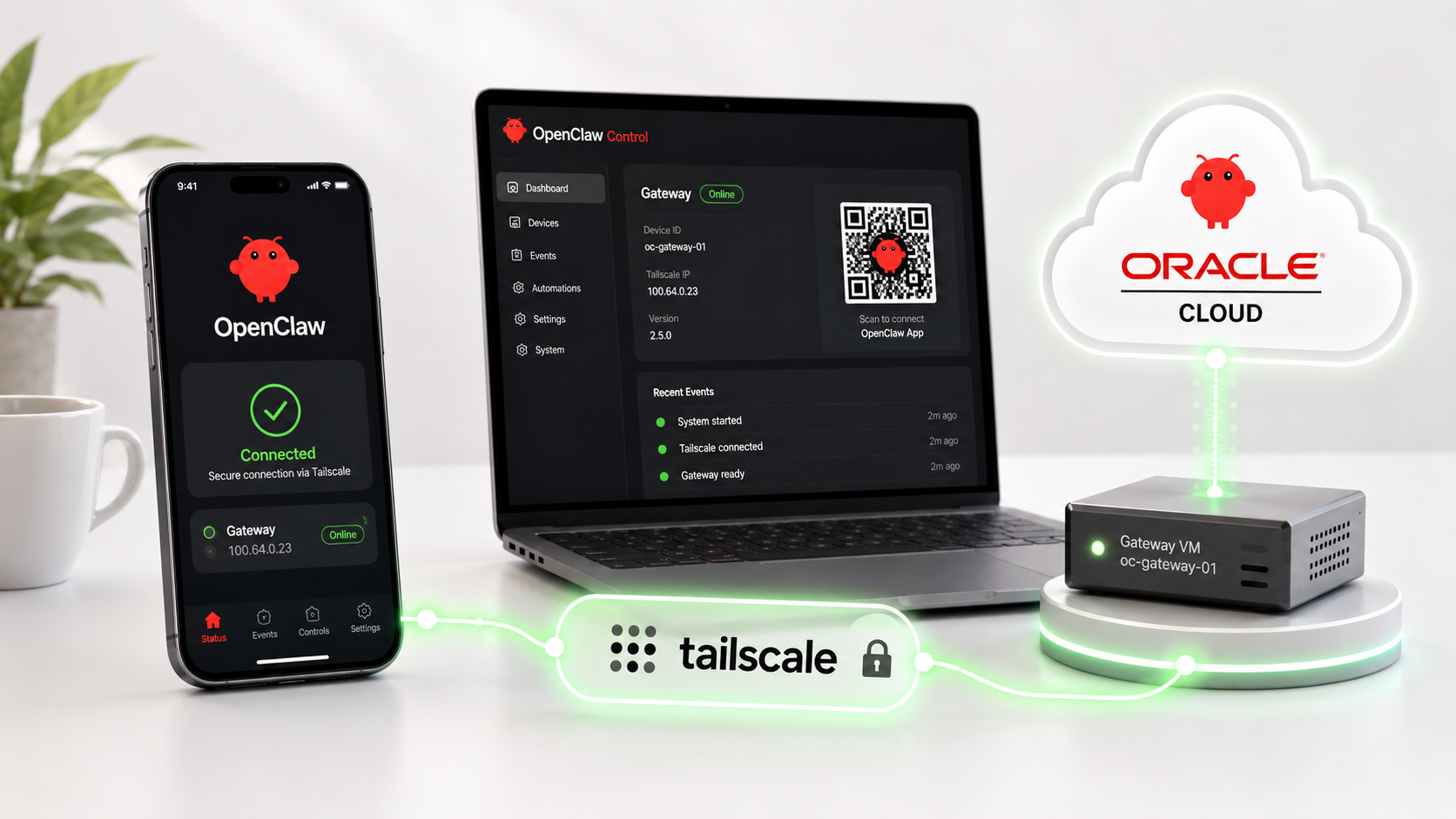
An always on agent framework like OpenClaw is much closer to what Zuckerberg is describing, continuously running, calling tools, taking multi step actions, checking its own work, and holding onto context without needing to be re-explained. The connection is not just conceptual either. Meta’s own documentation for Muse Glimmer lists OpenClaw as one of the agent frameworks the model is built to work with, which ties this essay directly to the model Meta released the same day.
This Argument Did Not Come Out of Nowhere

Zuckerberg was not the first AI leader to publish something like this this year, and he will not be the last. There is a genuine back and forth happening between the major labs right now, and it has been building for months.
Anthropic’s Dario Amodei went first. In June, he published a long essay called “Policy on the AI Exponential,” arguing AI capability is moving faster than governments can regulate it and calling for pre deployment testing, labor protections, and alliances among democratic countries. In late July he went further, calling for mandatory safety testing and tighter controls on the chips and techniques that help other countries build competing open weight models. Days later, over 1,200 employees across the major labs signed a petition called “Pacing the Frontier,” asking governments to build tools that could deliberately slow AI development if it starts moving beyond anyone’s control.
Zuckerberg’s response, in essence, is the opposite instinct. Where Amodei argues for more gates and more caution before release, Zuckerberg argues that restriction itself is the danger, and that spreading access widely is what actually keeps things safe. He was already making this exact argument in public the same week Amodei escalated his, and this week’s essay is him writing the fullest version of it down. It is worth knowing this argument exists as a debate between the people building this technology, not a single company’s opinion presented as settled fact.
There is also a competitive backdrop to the timing. A Chinese model called Kimi K3 reportedly reached frontier level performance earlier this year while being released as open weights, free for anyone to download and modify. That put real pressure on American labs to prove they could still lead in open access, not just in closed, paid products. Releasing Muse Glimmer the same day as an essay about spreading AI to everyone is not a coincidence.
What Zuckerberg Says About Jobs
The essay spends real space on job displacement, since that is usually the first pushback this kind of argument gets. Zuckerberg’s position is that there is no rule saying automation has to outpace what individuals can learn to do with the same tools. If personal AI agents make people more capable faster than they replace tasks, he argues, the result looks like new categories of work rather than fewer jobs overall, pointing to a future of smaller companies doing more with fewer people, not large companies doing the same with none. It is a genuinely debatable claim, and the essay does not pretend otherwise, but it is worth knowing the argument exists before you see it summarized as either utopia or spin somewhere else online.
What Meta Is Asking For in Return

A large part of the essay is not written for consumers at all, it is written for policymakers. Zuckerberg proposes that frontier labs, Meta included, share intermediate versions of unfinished models with the US government before training even completes, so officials can identify and patch security weaknesses early. In exchange, he wants the government to avoid restricting or delaying when those same models become available to the public. He also defends distillation, the practice of training new models by learning from another model’s outputs, arguing that restricting it would only slow American labs down without stopping anyone else from doing it.
On infrastructure, Meta is launching a fund aimed at putting money directly into the communities hosting its data centers, pointing to a Louisiana town where local teachers reportedly received a $50,000 bonus this year from the added tax revenue. And for the first time, Meta says its independent board, not Zuckerberg personally, will hold formal authority to approve the safety criteria a model has to meet before release.
One thing the essay does not do is put a date on any of it. There is no by 2028 or within five years attached to the personal agent vision. The closest thing to a hard deadline in the whole piece is a pledge that Meta’s data centers will be water positive by 2030, which has nothing to do with when any of this AI actually reaches people. Read the essay as a stated direction, not a shipped timeline.
What You Can Actually Do With This Right Now
The free, zero setup version of a personal agent Zuckerberg describes does not exist yet as a consumer product. But as the OpenClaw comparison above shows, the underlying pattern is not hypothetical, it already runs today for anyone willing to handle the setup themselves. What is actually missing is not the idea, it is the mass market version, hosted for you, free, and requiring nothing more than opening an app. If you want to see the building blocks of that future right now instead of waiting for Meta to ship the finished product, Muse Glimmer is a free, open model anyone with the right hardware can download and run themselves, and we broke down exactly what that takes in this week’s post on it.
Beyond that, treat the rest of the essay as a stated direction rather than a shipped product. Free tiers, private modes, and agents that manage your day are public commitments Meta is attaching its reputation to, which makes them easier to hold accountable later, but a promise is still not a product.
FAQ
What is personal superintelligence?
It is Mark Zuckerberg’s term for Meta’s approach to AI, built around giving individuals direct access to powerful AI tools rather than routing that power through companies or governments.
Is Meta’s AI actually going to be free?
Meta says free versions of its personal AI agent will be available to billions of people, with a separate pricing system for anyone who wants to pay for more compute, though the agent itself has not shipped yet.
Is this the first time an AI leader has published something like this?
No. Anthropic’s Dario Amodei published a similar length essay in June arguing for the opposite approach, more caution and testing before release, and both companies have been publishing competing philosophies about AI safety for years.
Takeaway
Whether any of this plays out the way Zuckerberg describes depends on decisions Meta, its competitors, and the governments this essay is clearly written to influence have not made yet. What is worth remembering is that the argument did not arrive in a vacuum. It arrived the same week as a real, downloadable model, and in the middle of an ongoing disagreement between AI leaders about whether spreading this technology or slowing it down is what actually keeps people safe. I will keep tracking what Meta actually ships against what this essay promises, and the newsletter is where that gets covered first.
Leave a Reply